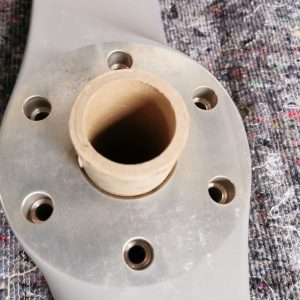
The Sensenich Propeller – P/N 74DM6-0-60
Whether buyers search for a Sensenich Propeller P/N 74DM6-0-60, Sensenich 74DM6 Propeller, or 74DM6-0-60 Aircraft Propeller, complete identification should guide the purchase.
Whether described as a Sensenich Fixed-Pitch Propeller, Sensenich Aluminum Propeller, Fixed-Pitch Aluminum Propeller, or Aluminum Aircraft Propeller, the individual unit should receive professional inspection before installation.
The 74-Inch Aircraft Propeller, 60-Inch Pitch Propeller, Lycoming O-320 Propeller, and General Aviation Propeller keywords represent common dimensional, engine, and application searches associated with the model.
A Replacement Aircraft Propeller must match the approved aircraft, engine, hub, bolt pattern, spinner, diameter, pitch, and operating limitations.
Why the Complete Propeller Designation Matters
The complete propeller designation should be verified through the manufacturer data plate, hub markings, blade markings, serial number, original records, packaging labels, photographs, and available Sensenich technical information.
Reliable traceability improves the commercial and maintenance value of the Sensenich 74DM6 Propeller.
Understanding New-Old-Stock Propeller Status
An unused propeller may still develop coating damage, corrosion, moisture exposure, scratches, dents, contamination, or packaging-related abrasion.
Any temporary mounting or dimensional checking should be disclosed clearly.
Understanding Fixed Blade Geometry
The 74DM6-0-60 should be selected using applicable technical data rather than general claims about improved climb or cruise performance.
Diameter influences ground clearance, tip speed, aerodynamic load, and airframe compatibility.
Protecting Aluminum Propeller Surfaces
Material condition should be reviewed by appropriately qualified aviation personnel.
Responsible more info care supports the condition of the Aluminum Aircraft Propeller.
74-Inch Aircraft Propeller Dimensions
The measurement should not be assumed from packaging labels or seller estimates alone.
Diameter should be measured using an appropriate hub-center reference and complete tip-to-tip procedure.
Comparing Pitch Between Both Blades
The seller should not guarantee specific performance based only on the pitch designation.
A never-installed propeller should still be reviewed for shipping distortion, impact, or manufacturing-record consistency.
Matching the Propeller to the Correct Engine
A propeller approved for one O-320-powered aircraft may not be approved for another aircraft using a different engine variant, airframe, spinner, or installation configuration.
Qualified research supports responsible selection of a Lycoming O-320 Propeller.
Inspecting the Complete Propeller Assembly
Shipping damage or improper storage affecting one blade can influence the balance and suitability of the complete propeller.
The buyer should examine both blades for differences in paint, coating wear, pressure marks, corrosion, shape, tip condition, and packaging contact.
Bolt Pattern and Engine Flange Compatibility
The propeller hub should match the receiving engine flange, pilot diameter, bolt pattern, approved spacer arrangement, spinner components, and required installation hardware.
Professional hardware selection protects the engine and Replacement Aircraft Propeller.
Checking a New Sensenich Propeller
A propeller should not be assumed free from defects solely because it has never been operated.
Suspicious areas should be examined carefully after the wrapping is removed using appropriate handling procedures.
Protecting the Fixed-Pitch Aluminum Propeller
A dry storage history can reduce corrosion risk but does not eliminate the need for inspection.
Protective covers should prevent contamination and impact without encouraging condensation around the aluminum.
Understanding Approved Propeller Design
Certified design status does not automatically establish the present serviceability, airworthiness, or installation eligibility of an individual propeller.
All documents should remain permanently associated with the correct physical propeller.
Reviewing Purchase and Storage Records
Conflicting or incomplete identification should be resolved before payment or installation.
Paperwork should not be interpreted beyond its actual scope or current relevance.
Replacement Propeller Buying Guide
A pre-purchase review should confirm the complete model, serial number, diameter, pitch, blade count, hub configuration, mounting pattern, manufacturing information, storage history, physical condition, applicability, and documentation.
- Compare the propeller with the receiving aircraft model, serial range, Lycoming engine designation, engine flange, spinner, operating limitations, and approved installation information.
- Confirm the manufacture or purchase date, storage duration, environmental conditions, preservation method, ownership history, and absence of operating time.
- Require packaging that protects the blades, tips, edges, hub, data plate, mounting face, bolt holes, factory finish, records, and included hardware from impact, abrasion, moisture, and movement.
Protecting a New Two-Blade Propeller in Transit
The unit should not rest against hard surfaces that concentrate loads on a blade edge or tip.
Careful freight preparation reduces damage risk to the Sensenich Aircraft Propeller.
Protecting the Propeller Before Installation
The propeller should not be placed where tools, vehicles, machinery, or personnel can strike it.
Organized storage supports the commercial value of the General Aviation Propeller.
Installing the Sensenich 74DM6-0-60
The technician should verify the complete model, serial number, diameter, pitch, hub, flange, bolt pattern, spacer arrangement, mounting hardware, torque procedure, and installation eligibility.
Disciplined installation supports dependable Two-Blade Aircraft Propeller operation.
Authorized personnel should complete all required maintenance records and return-to-service actions.
Preventive Blade and Hub Inspection
Cleaning should use suitable materials and methods that do not attack aluminum, coatings, markings, or data plates.
Pilots and operators should report new vibration, visible blade damage, unusual noise, or performance changes promptly.
Evaluating Never-Installed Propeller Pricing
The commercial value of a new Sensenich propeller depends on exact identification, serial number, manufacturing date, storage history, dimensional conformity, factory finish, inspection status, traceability, and included accessories.
Buyers should compare complete and documented propeller packages rather than price alone.
Selecting a General Aviation Replacement Propeller
New, Never Installed can provide valuable replacement, restoration, new-construction, engine-installation, inventory, or resale potential when its identity, dimensions, storage history, condition, and applicability are verified.
Careful technical and commercial review can reduce compatibility problems, missing-hardware expenses, storage-related concerns, installation delays, inspection costs, and documentation issues.
Whether maintenance teams are sourcing a Two-Blade Aircraft Propeller, Sensenich Aircraft Propeller, Replacement Aircraft Propeller, or Certified Aircraft Propeller, professional inspection and installation should precede operational use.
With responsible purchasing, dimensional verification, corrosion and damage inspection, correct hardware, tracking, and balance evaluation, the component can remain a valuable aviation asset.